Publications

The Library

Lege, audi, cogita, vide et tace

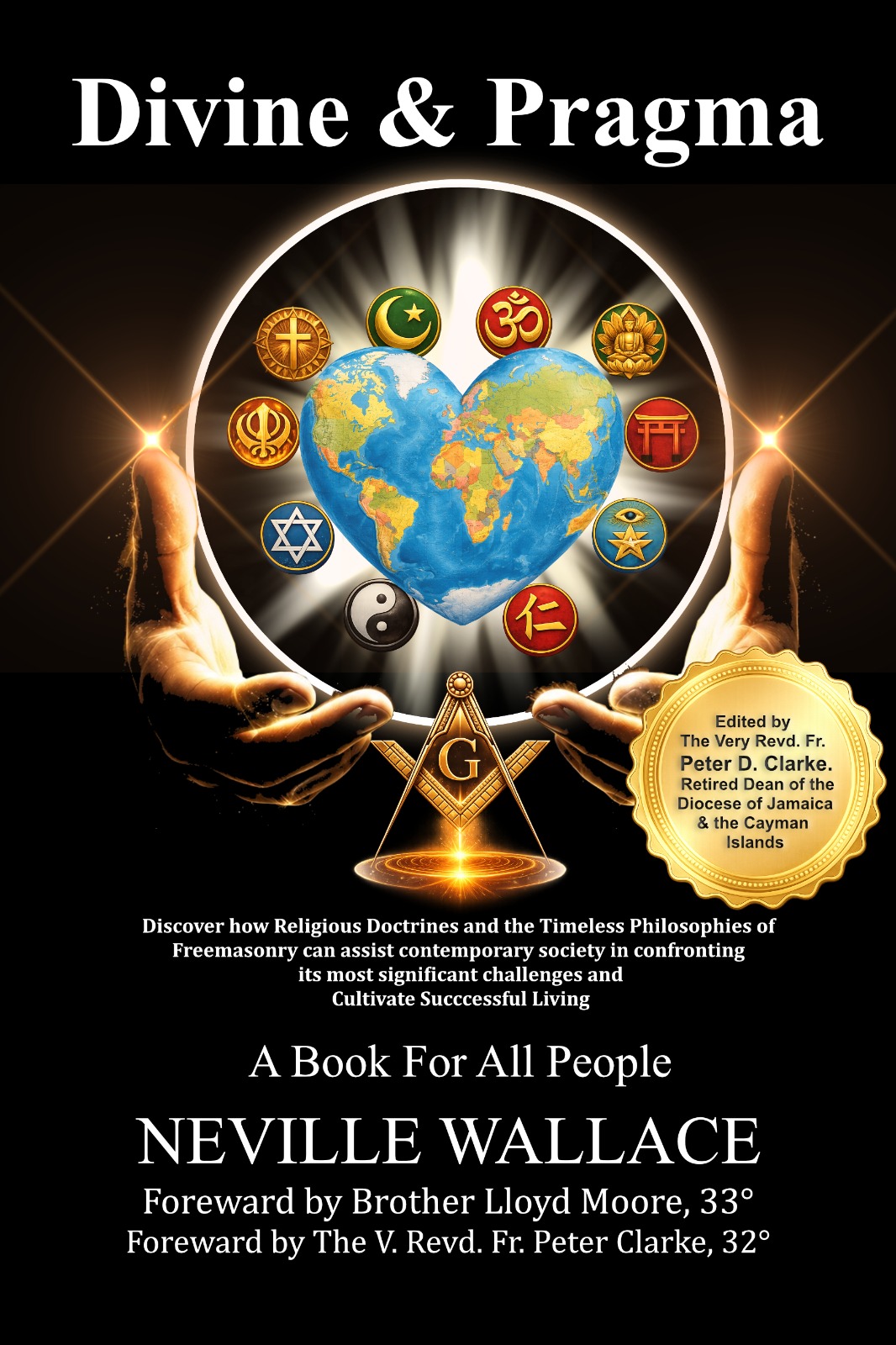
Cover of Devine & Pragma

Devine & Pragma

by Neville Wallace

Explore how the principles of Religious Doctrine and the enduring philosophies of Freemasonry—such as self-improvement, unity, justice, and perseverance—can aid modern society in tackling its most pressing issues and fostering a successful life. Freemasonry and religious doctrine are united by their core objectives: promoting moral integrity and nurturing a meaningful community. By merging Masonic ideals of self-improvement, unity, and perseverance with personal faith, individuals can establish a strong foundation against the fragmentation of modern life, develop resilient character, and approach contemporary challenges with ethical intent. The enduring philosophies of Freemasonry—highlighting self-improvement, unity, justice, andperseverance—serve as a vital moral guide for today's society. By aligning these principles with essential religious teachings, individuals can create a successful, purposeful, and interconnected lifestyle while addressing modern issues such as social isolation and moral uncertainty. Freemasonry and religious doctrine emphasize the importance of leading a virtuous, purpose- driven existence. By combining these common values—self-improvement, unity, justice, and perseverance—individuals can forge a robust moral compass, surmount social fragmentation, and navigate current crises with significant clarity. The timeless philosophies of Freemasonry provide a framework for confronting contemporary social challenges. By integrating these principles with religious teachings, individuals can foster successful and meaningful lives. This combination offers the moral foundation, community cohesion, and resilience necessary to tackle the complexities of modern life. Bridging Doctrine and Masonic Philosophy Freemasonry is not classified as a religion; however, it universally necessitates a belief in a Supreme Being. It serves as a conduit for individuals of various faiths to come together, united by shared values of morality and mutual respect. When harmonized with particular religious doctrines, Masonic principles assist believers in transforming their faith from abstract concepts into active, daily practice. Addressing Contemporary Challenges. These enduring principles provide practical solutions to the most urgent crises of the 21st century: • Self-Improvement (Overcoming Modern Isolation): Just as operative stonemasons shaped rough stones into smooth blocks, contemporary Masons utilize philosophy to gain mastery over their own impulses and passions. In an age characterized by distraction and digital polarization, this virtue fosters the discipline necessary to sustain a balanced and intentional life. Unity (Fostering Connection): Freemasonry underscores the importance of brotherly love and the equality of all its members. The lodge functions as a refuge where societal divisions—such as worldly wealth, social status, or religious differences—are set aside. This model of camaraderie offers a framework for healing divided communities and combating social isolation. • Justice (Promoting Ethical Action): Freemasons are instructed to embody the cardinal virtue of justice. In a world grappling with systemic inequalities, this philosophy serves as a reminder for individuals to treat everyone equitably, reject bias, and advocate for human dignity. • Perseverance (Building Resilience): Patience and perseverance are essential for navigating both personal and professional challenges. Masonic philosophy imparts that consistent practice and the ability to endure difficulties with grace foster true wisdom and long-term success. Cultivating Successful Living Combining these philosophies with religious faith fosters a life of meaning and lasting success: A Shared Moral Compass: Integrating religious teachings with the cardinal virtues of temperance, fortitude, prudence, and justice gives individuals clear guidelines for ethical decision-making. Focus on Charity: Active participation in community service and relief programs directs focus away from self-interest and toward helping the vulnerable, which yields deep emotional fulfillment.

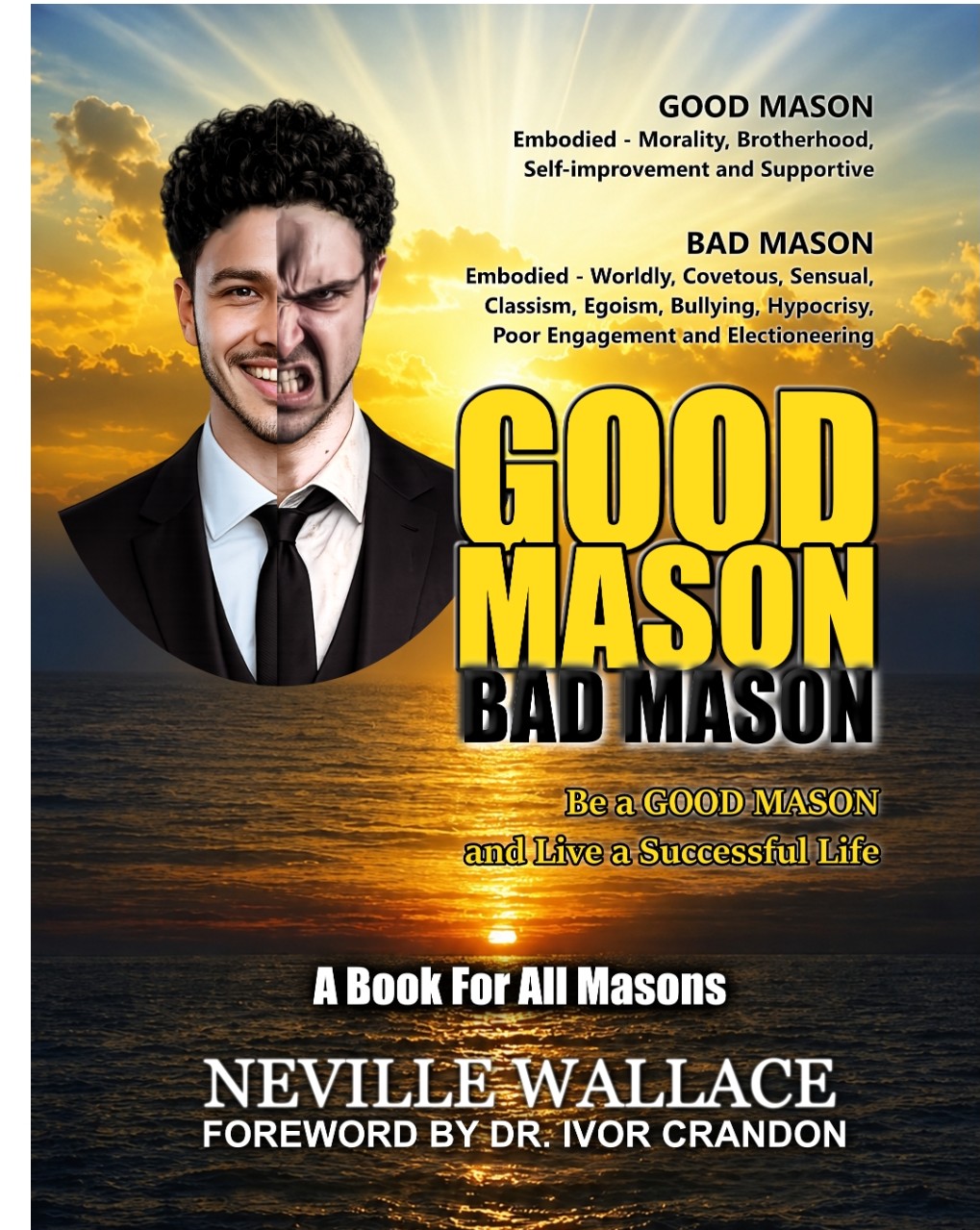
Cover of Good Mason Bad Mason

Good Mason Bad Mason

by Neville Wallace

“He who is worldly, covetous, or sensual must change before he can be a Good Mason.” – Morals and Dogma, Albert Pike. "Good" is not a hazy feeling or a state of being; it is an active, architectural process of construction. To be a "good" Freemason is to be a moral craftsman who constructs his character using timeless tools. This construction begins with the Moral and Ethical Foundation. Integrity is our Square, ensuring our actions match our words and that our honor is the bedrock of trust. Tolerance is our Level, teaching us to meet all men equally and listen without prejudice. Temperance is our Compasses, circumscribing our desires and proving that true power lies in self-restraint. Justice is our Plumb Line, an unyielding standard of rectitude that ensures we judge fairly and act uprightly. These are not mere symbols, but technologies for the soul that keep us balanced in a chaotic world. Building upon this foundation requires a Commitment to Self-Improvement. A Mason is a "Seeker of Light," defined by intellectual humility and a hunger for wisdom. We acknowledge that we are "Rough Ashlars"—imperfect stones full of potential that must be shaped by the gavel of conscience and the chisel of experience. This mindset rejects the arrogance of being "finished" and embraces the hard, daily work of becoming better. We are not just admirers of the plan; we are laborers in the workshop of the self, constantly smoothing our rough edges to fit into a grander spiritual design. Personal growth has no purpose if it does not serve others. We must transition from shaping the stone to placing it in the wall through Responsibility and Duty. Fraternal Duty acts as the mortar, binding us through active support and the defense of a brother’s reputation. Charity is the trowel that spreads this cement; it is not merely writing checks, but "Relief" in its truest form—proactive love that restores human dignity and strengthens the community. Fidelity serves as the keystone, locking the structure together through unwavering loyalty to the Craft’s laws and traditions. Together, these duties ensure we are not building for vanity, but for the stability and service of humanity. To sustain this work, we must exercise Discreet and Prudent Conduct. Discretion is not sinister secrecy, but the respectful guarding of trust and the creation of a safe sanctuary where vulnerability can exist. Crucially, this must be paired with Balance. Using the 24-Inch Gauge, we prioritize our time, understanding that God, family, and profession must come before the Lodge. A Mason who neglects his home to build the fraternity has failed in his architecture. The Lodge is meant to support the temple of a man’s life, not consume it. True wisdom lies in integrating these virtues so that the light of the Craft enhances, rather than overshadows, our daily responsibilities. Ultimately, Freemasonry is not a spectator sport; it demands Active and Sincere Participation. The life of the Lodge depends on Regular Attendance, a Willingness to Serve in any capacity, and a deep Respect for Ritual as a method of moral instruction. We must also be clear about what a Mason is not: he is not seeking a substitute for religion, he is not a political operative, and he is not motivated by personal gain or social climbing. A good Mason is simply a good man who builds his life by the square, walks by the plumb, and meets upon the level, striving to be happy, free, and a true friend to every man.

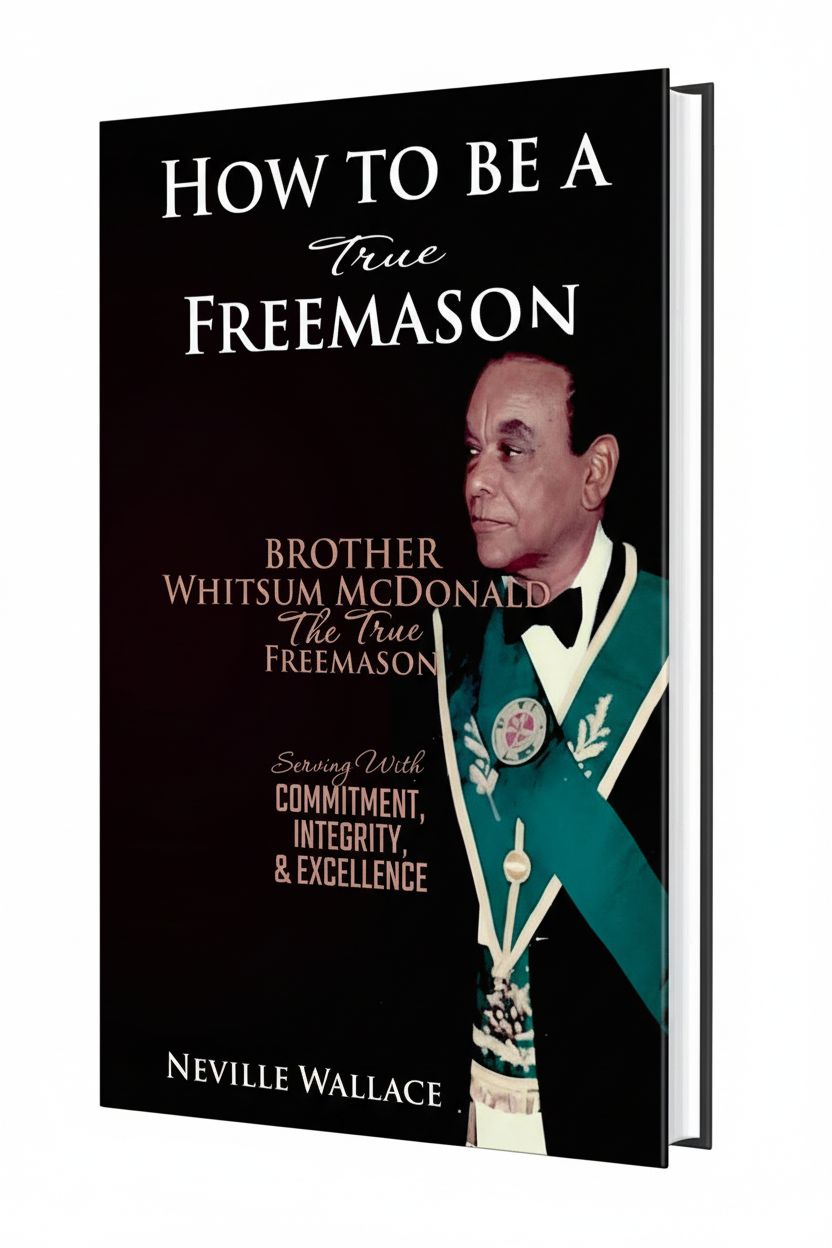
Cover of How to be a True Freemason

How to be a True Freemason

by Neville Wallace

Explore the remarkable life of Brother Whitsun Albert McDonald—a man whose leadership, integrity, and service reflect the enduring values of Freemasonry. From his initiation into Freemasonry in 1942 in the midst of World War II to his pivotal role in shaping Jamaica’s post-independence housing policies, McDonald embodied the Craft’s principles of brotherhood, self-improvement, and service to humanity. Freemasonry emphasizes high moral standards and ethical behaviour. Members are encouraged to practice integrity, honesty, and impact fairness in all aspects of life, which are essential qualities for good leadership. It’s no coincidence that so many trailblazers and prominent leaders from history have been Freemasons. During the year 1951 when Brother McDonald was Master of The Glenlyon Lodge No. 346 S.C., the island was struck by the devastating Hurricane Charlie. In the aftermath he was charged by the Government of Jamaica to head the Hurricane Housing organization in Jamaica with focused on rebuilding damaged constructing new housing. He was later appointed Director of Housing and subsequently Permanent Secretary in the Ministry of Housing. He spearheaded efforts to rebuild targeted squatter communities and bridge social divides. His legacy demonstrates how Masonic values—integrity, fairness, mentorship, and collaboration—can transform both individual character and national destiny. Brother McDonald commitment to bridging socio-economic gap, through housing policies echoed our Masonic values of Brotherhood, collaboration, and the pursuit of a common good. He brought the principles of the Craft into the public sphere, by embodying leadership and fraternity during critical moments in Jamaica history. The 1970s was a critical and complex period in Jamaica's post-independence history. This era saw significant efforts to advance social justice aims to achieve greater economic equality, human rights and access to education and housing. Brother Whitsun McDonald was a key figure in shaping the housing policies which eventually lead to the creation of National Housing Trust (NHT), which bridged the revolutionary era and the foundational periods of the Jamaica. This book not only chronicles Brother McDonald’s journey but also reveals how Freemasonry’s timeless ideals shaped his leadership and public service. His life stands as a shining example of what it truly means to be a Freemason: a man dedicated to brotherhood, harmony, and the common good. Although this book reflects the experiences, lessons, insights and wisdom of Brother Whitsun McDonald, spanning over seven (7) decades, it should resonate well with those who have an interest in applying the Masonic Working Tools for self-improvement, which involves using these symbolic tools to guide your character development and daily actions. By reflecting on these tools' lessons, you can cultivate virtue, improve your relationships, and build a more purposeful life. In addition, the book can serve as a valuable guide/toolkit for Freemasons and non-Freemasons alike in their own personal lives and career, serving communities with Integrity, Commitment and Excellence. In honour of Brother Whitsun Albert McDonald, we present to you this memoir "How to be a True Freemason" as an inspiration and guide to those who strive for self-improvement, build camaraderie with each other, understand the value of mentorship, collaboration, and serving our communities.

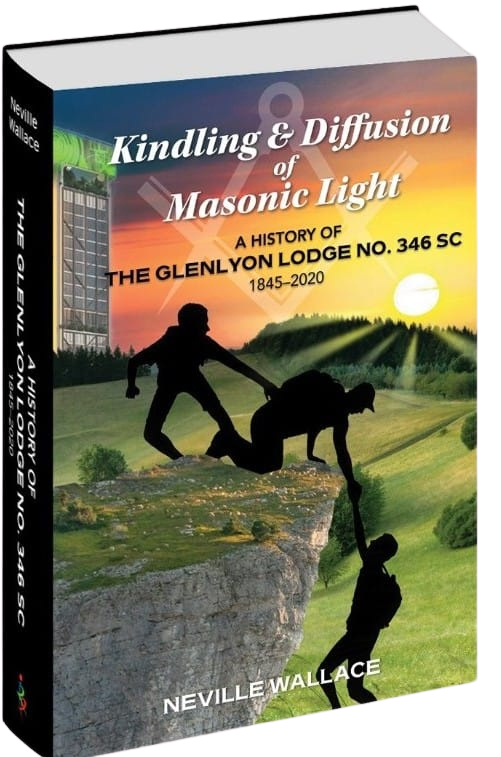
Cover of Kindling and Diffusion of Masonic Light

Kindling and Diffusion of Masonic Light

by Neville Wallace

As part of The Glenlyon Lodge No. 346 S.C. celebration of its 175th anniversary, we have produced this commemorative book, building on the foundations of earlier efforts to chronicle the history of the Lodge since its founding in 1845. It has been a long chase for information, which saw us poring over Lodge Minutes, consulting with venerable members and researching earlier publications. In the end, we have proudly prepared biographical sketches of some outstanding and inspiring members, uncovered the early influence on the Lodge of the Royal Lodge No. 102 E.C., and developed a roster of members who have joined the Lodge over the year. The Lodge was named after George Murray, Lord Glenlyon, the 66th Grand Master Mason of Scotland, who was installed in 1843. There may also have been a supplementary reason to use the name “Glenlyon” in that the Lodge was founded in 1845 which coincided with Lord Glenlyon’s appointment in that year as Grand Master of the Order of the Temple in Scotland. The Glenlyon Lodge No. 346 S.C. was among more than 100 Lodges that were chartered during his period in office, while he was still Lord Glenlyon. It was common practice amongst early Freemasons to name Lodges after Saints and Princes who were held in high esteem amongst English Freemasons. Freemasonry is a peculiar system of morality, veiled in allegory and demonstrated by symbols. This conditioned reply for almost all brethren, when asked just what is Freemasonry. Although it is entirely correct, the answer is vague and leaves the question unanswered, and while much is written delving into the details, it still does not provide any real clarity. Freemasonry is fundamentally a self-improvement, volunteer association that teaches moral, intellectual, and spiritual lessons through three initiation ceremonies. Freemasonry’s three degrees are modeled after a craftsman’s progress: Apprentice, Fellowcraft, and Master Mason. Freemasonry was, and remains, open to all men of good reputation who profess a belief in Deity (referred to in lodge as The Supreme Architect of the Universe). By the 1750s a variety of Christian and non-Christian, European, and non-European men, and a few women, were members. Freemasonry grew popular within cities as political, commercial, and intellectual elites gathered within Lodges. With aristocratic, and later royal patronage, Freemasonry evolved into the preeminent fraternal organization of the eighteenth century. The earliest records of American Masonic Lodges are to be found in Philadelphia, USA. History tells us that in 1732, Boston’s St. John’s Lodge was duly constituted by the Grand Lodges of England, thereby claiming the distinction of being the oldest Lodge in North America. Interwoven with the period of British Enlightenment, Masonic Lodges formed throughout Europe and the Americas. The network of Scottish, English, and Irish Lodges helped knit the British commercial empire together. As the general origins of Freemasonry and its layered symbolism remain a mystery to the uninitiated and even for some of seasoned Brethren, there is much to learn from the treasure trove of information that exists in the Masonic world. Masonic teachings have helped so many members over the centuries learn the skills to equip them for leadership roles in society, including areas such as politics, science and the arts. For most, it is next to impossible to gather and grasp even a small fraction of the knowledge that has been passed down to us through the generations and remains well hidden in many centuries worth of legends and traditions. Regrettably, the most pertinent information is still transferred via word of mouth to those who are genuinely interested and willing to stay after Lodge meetings and talk with Senior Brethren. I treasure the memory of the late nights, talking about Freemasonry and the various aspects thereof, long after the Tyler’s Toast was said and the rest of the Brethren had gone home. Ultimately, there is only so much that can be conveyed accurately via word of mouth. It is unfortunate that this tradition of talking with senior Brethren is often overlooked, and that the young Brethren are mostly left to their own devices. In a lot of cases, the new Brethren do not even know that this is an option, often just conducting their personal research online and often left more confused than when they started. As author, my responsibility runs a bit deeper than solely compiling and similarly disseminating some aspects of the history of The Glenlyon Lodge. Thus, I gave into the particular academic allure of complementing these compilations, by finding and recording the lesser-known details and sparsely documented areas as well as missing information. The research materials were mostly sourced from the incredible, although obscure reference online sites, and available old minutes books. There are also references to some excellent independent works and documents. Some were sourced from personal collections, and Masonic archives. It is with reverence and sincere appreciation we thank our predecessors for their efforts in ensuring we have these records have been preserved. I trust that through the extensive use of these trusted sources, all the corroborated research and the verification efforts, we can ensure that our history will continue to live on undiluted in the minds of the next generation of Masons. This work is my personal journey into the history of The Glenlyon Lodge and dogma of the craft. It also enumerates our Lodges’ contribution by highlighting “Freemasonry in Post-Emancipated Jamaica, 1848 – 1895”, its part played in the history of Scottish Freemasonry in Jamaica and we hope to carry that tradition, adhering to, working by, and promoting Freemasonic tenets. Several chapters were written and rewritten numerous times to make sense of the where, the who, and the why. My idea is if I had to read one book to get up to speed with the history of The Glenlyon Lodge, then this would be it. In hindsight, it was by all accounts an audacious and foolhardy attempt to expand my personal knowledge and to distill the troves of information spanning across the constitutions. I sincerely hope that this work will be a good stepping stone from which to advance your own personal knowledge of The Glenlyon Lodge. Thus, to the Brethren reading this, I ask that this body of research serves to compliment your individual explorations and that you always remember your charge ever to continue your daily advancement in the knowledge of our beautiful craft. This book is intended to be a keepsake and a reference for those who desire a deeper knowledge of The Glenlyon Lodge, its proceedings, the personalities of the members, their contribution to the growth of the Lodge, and the contributions the Lodge has made to the Scottish Freemasonry in Jamaica and The Bahamas. It also includes discourses written by some of our most esteemed Brethren, as well as some honest unfiltered interviews from members. As one fellow Brethren said: “Christianity is to make bad men good, and Freemasonry is to make good men better.” And, if I might add, The Glenlyon Lodge’s mission is to make better men great! Herein, I have also highlighted some of our challenges and how we resolved them particularly overcome them, especially in the midst of a worldwide pandemic which disrupted our lives, the economy, and our traditions. As you may imagine, we had to include an engaging article on the role of technology and how it may influence the way we conduct Lodge meetings in future. This is the first known attempt to assemble such a vast information in one place, outside of the iCloud: A ‘must-have’ for the serious student of Scottish Freemasonry, existing Lodges members, or descendants of former Lodge members and I daresay an enjoyable read. Scottish Freemasonry in Jamaica and The Glenlyon Lodge in particular has a rich and complex history, playing a significant role in the development of the Jamaica. Through charitable works, community service, contributing to the welfare of its Members and families and fostering dialogue on important issues, and Brethren like Worshipful Brother Samuel Constantine Burke, Esq, Freemasonry has made lasting contributions to Jamaica society. However, as stated previously, the organization faces challenges, including perceptions of secrecy, religious opposition, and still issues of racial and class inclusivity. By addressing these challenges and remaining true to its core values, Freemasonry has the potential to continue its positive influence in Jamaica. Freemasonry and Post-Emancipation Jamaica have a rich and complex history. After Emancipation in 1838, Jamaica experienced significant social, economic, and political changes. Freemasonry, which had been established on the island since the 18th century, played a role in this transition. Many Jamaican intellectuals and leaders were Freemasons. They saw Masonry as a way to promote social justice, equality, political development of the island and self-improvement, which aligned with their struggles for political and economic empowerment. After Emancipation in 1838, Freemasonry became a powerful force in Jamaican society, particularly among the emerging black middle class. Freemasonry also provided a space for social mobility and community building, particularly among the emerging black middle class. Lodges were established in various parts of the island, with names like “Unity and Friendship” and “Love and Charity,” reflecting the values of brotherhood and solidarity. However, it’s important to note that Freemasonry in Jamaica also had its contradictions. Some critics argue that Masonry reinforced class divisions and elitism, while others saw it as a means of cultural assimilation and imitation of European values. Overall, the relationship between Freemasonry and Post-Emancipation Jamaica reflects the complex negotiations of identity, power, and social change in the Caribbean during this period. Scottish Freemasonry in Post-Emancipation Jamaica, in particular members of The Glenlyon Lodge was characterized by: Freemasonry offered a sense of community and brotherhood, which was especially important for newly freed slaves and their descendants. Political and social activism: Many Jamaican Freemasons were involved in the struggle for political and social rights, using the fraternity as a platform for activism. The fraternity provided opportunities for social mobility and education, helping to empower black Jamaicans. The first Masonic lodge in Jamaica was established in 1738, but it wasn’t until after Emancipation that Freemasonry became more widespread among the black population. Freemasonry in Jamaica was closely tied to the development of the Pan-African movement and the struggle for independence. Jamaican Freemasons were known for their philanthropic efforts, particularly in the areas of education and healthcare. The fraternity also played a role in the development of Jamaican culture, hugely influencing music, art, and literature. Some Jamaican Freemasons were also involved in the formation of the People’s National Party (PNP) and the Jamaica Labour Party (JLP), the two main political parties in Jamaica. Jamaican Freemasons have made significant contributions to the development of the country, including the establishment of schools, hospitals, institutions and community organizations. Growth and expansion: Freemasonry spread rapidly among the newly freed slaves and their descendants, offering a sense of community and brotherhood. Overall, Scottish Freemasonry in Post-Emancipation Jamaica served as a powerful force for social change and community building and shaping the island’s history and cultural landscape.
USD $100 - JMD $15,000 Read overview
Cover of Rich Mason, Poor Mason

Rich Mason, Poor Mason

by Neville Wallace

Neville Wallace's "Rich Mason Poor Mason" explores the fundamental mindset differences that influence financial success. The book argues that success is determined by one's thoughts rather than luck or education. It offers strategies to overcome limiting beliefs about money, adopt a millionaire mindset, escape financial struggles, and develop income-generating assets. The author concludes emphasizing using modern tools and digital strategies to grow wealth and provides practical exercises to help readers transform their thinking. Suitable for anyone from professionals to aspiring entrepreneurs, it advocates that wealth begins in the mind, urging readers to change their thinking to change their lives by applying the core principles and working tools of Freemasonry in their daily lives. Poor Mindset vs Rich Mindset A struggling “challenged” professional is not poor or struggling because of bad luck. He is not poor or struggling because the economy is bad. He is not poor or struggling because his boss doesn't pay you enough. He is poor or struggling because of the way he thinks. I know that's hard to hear, but read along for a moment. When a poor man gets $1,000, what does he do? He thinks, "Finally, I can buy that thing I've been wanting." And he spends it, all of it. Sometimes, more than all of it When a wealthy man gets $1,000, he thinks, "Good. Now, how do I turn this into $2,000?" Same amount, different mindset, different life. Because what you are about to discover is the part most people will never accept. You see, poverty is not a condition. Poverty is a mentality, and nobody is born with it. It is taught to you. Your parents, they love you, but they taught you to be an employee. Get good grades. Get a safe job. Don't take risks. And so, you obeyed. And so, you stayed poor. I grew up in a house where we didn’t have much. We shared shoes, sometimes we walk bare feet. We ate the same meal four days in a row. But my father never once said, "We are poor." He said, "We haven't built our wealth yet." Do you hear the difference? One is a prison, the other is a path. The rich don't have a secret bank. They have a secret way of thinking. They see money as a tool, not a reward. They see problems as opportunities. They see failure as education. And you? You sometimes see a sale at the store or online, and you call it saving money. That is not saving money. That is losing money slowly. Change your mindset, and your true wealth will follow. There are six things poor people do that the rich don't. Poor people watch TV or social media and rich people read books. How many hours do you spend in front of the TV or endless social media scrolling and when was the last time you read a book? Poor people get paid based on time. Rich people get paid based on results. You may be the best floor cleaner on the planet, but your reward is still capped. Rich people get paid based on results, not time invested. Nobody cares how much time, blood, sweat, and tears you pour in. What they care about is results. That's why the highest paid athletes in the world don't get paid by how many hours they practice or how much time they invest. No, it's how they perform. They get paid based on performance. Poor people blame others for their misfortunes. Rich people take responsibility for their own failures. You see, for poor people, it's always somebody else's fault. the economy, the government, my boss, my job, my city, my neighbor, my friends. It's always somebody else. It's never their own fault. Rich people take responsibility. And when you take responsibility, what happens is you gain power. The power to change, the power to do something different. Lame people blame everything else but themselves. Poor people focus on saving, and rich people focus on investing. Here's the thing, a penny saved is still a penny. You're not going to get rich by trying to save a few bucks. You don't have a saving problem. You have an income problem. You need to earn a lot more money so you can invest. Poor people know it all. Rich people continuously learn. You see, poor people are always very opinionated. They want to tell the world about their opinions about politics, sports, society, the government, and everything around them versus being humble and willing to learn. Rich people are always learning, asking questions, listening, reading books, and growing continuously. Remember, your income can only grow to the extent that you do. Your wealth can only grow as fast as you do. Poor people have a lottery mentality and rich people have an action mentality. You see, most people believe the only way to get rich is by buying that lottery ticket. Even though they know the chance of winning is slim to none, they still buy that fantasy. Hopefully, if I win, I'm going to buy that house. I'm going to quit that job. I'm going to take that vacation. No. Rich people have an action mentality. They believe if it's going to be, it's up to me. I'm going to make it happen. I'm going to make myself successful. Regardless of your objectives, Rich Mason Poor Mason provides a reliable framework for daily improvement. This book unveils actionable strategies that will instruct you on how to cultivate positive habits, eliminate negative ones, and master the small actions that result in significant outcomes. If you find it challenging to alter your habits, the issue lies not with you. The issue is your system. Negative habits recur repeatedly not due to a lack of desire to change, but because your system for change is flawed. You do not ascend to the height of your aspirations. Instead, you descend to the level of your systems. In this book “Rich Mason Poor Mason”, you will discover a tested system that can elevate you to new heights. It simplifies intricate subjects into straightforward actions that can be readily integrated into everyday life and work. It draws upon the most validated concepts from biology, psychology, and neuroscience to provide an accessible guide for making positive habits unavoidable and negative habits unfeasible. Throughout the journey, readers will leverage the science of small habits to excel in their field and reach the pinnacle of their profession and businesses. Discover how to: Allocate time for new habits (in midst of the many distractions); Reprogram your thoughts to create wealth, success, and lasting freedom How to turn fear into action and start living life on your terms How to change a mediocre existence into an extraordinary one Grow even if you’re in debt, stressed, or scared to begin Use modern tools, digital strategies, and AI to Grow Wealth Benefit from the emerging technology Artificial intelligence ( AI) for personal growth Identity Business Opportunities around you and much more. Learn the Secret to a Life of Abundance Faith: Believing in Your Journey Persistence: The Key to Overcoming Challenges How Positive Attitude: Attracting Opportunities Patience: Building Wealth Takes Time Knowing Your Self-Worth: Believing in Your Value Integrity: Building a Reputation That Lasts Rich Mason Poor Mason will transform your perspective on progress and success, equipping you with the tools and strategies necessary to revolutionize your habits. Take charge of your life today.

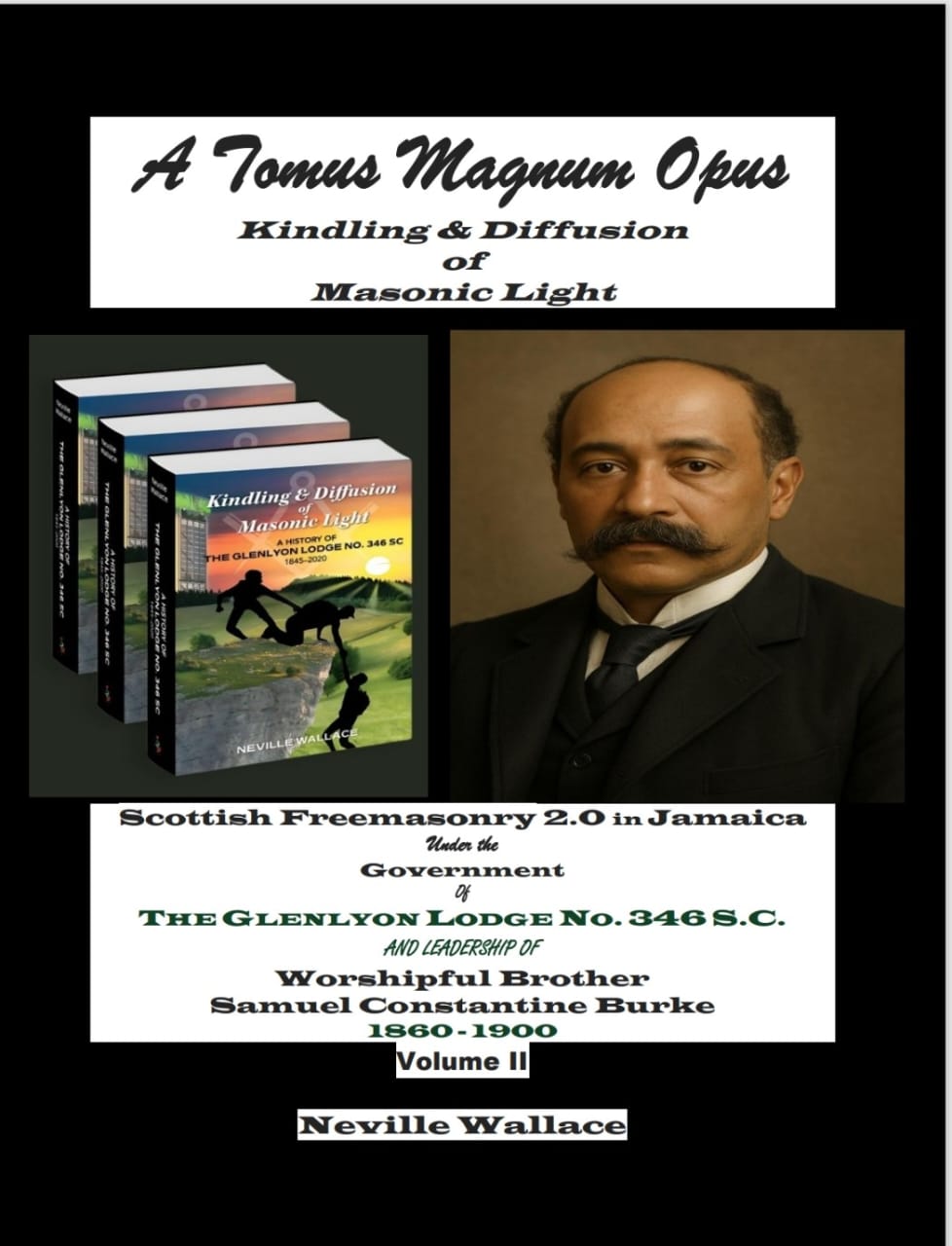
Cover of Scottish Freemasonry in Jamaica Under the Government of Worshipful Brother Samuel Constantine Burke

Scottish Freemasonry in Jamaica Under the Government of Worshipful Brother Samuel Constantine Burke

by Neville Wallace

On the formal ending of the enslavement system in 1838, a new era appeared to have dawned for Scottish Freemasonry in Jamaica between the years 1843 to 1845, certain Brethren residing in St Thomas-in-the-Vale (now Linstead) became desirous of practicing once more the ancient mysteries, and thereupon applied to the Grand Lodge of Scotland for a warrant to constitute the “Elgin Lodge No. 415” of that Parish. Scarcely had the application been considered ere certain Brethren in Kingston applied to the same authority for a warrant to establish “The Glenlyon Lodge”. Brethren in St. Elizabeth sought for a warrant for the “Union Lodge No. 359” at Black River, others at Falmouth for a warrant for the “Athol Union No. 367” of that Town, at Spanish Town for a warrant for the “Victoria Lodge No. 402” and St. Andrew for a warrant for its own “Kilwinning Lodge No. 369”. The Founders of these Lodges probably thought it necessary to offer some level of diversity, cultural change and opportunities for the now free men to become members of the fraternity by reintroducing Scottish Freemasonry. The Post-Emancipation period saw Africans moving from the plantations to their own lands and economic independence. African men in Pre-Emancipated Jamaica were not allowed into Freemasonry. The Glenlyon Lodge notwithstanding a period of dormancy (as a result of God sent and manmade disasters) became the only Scottish Lodge to have survived its infancy, proudly attracted membership of the working class as well as influential nation builders. The Post Cholera epidemic (1858 to 1861) saw the emergence of Worshipful Brother Samuel Constantine Burke as Worshipful Junior Warden on joining The Glenlyon Lodge after the defunct of Lodge Kilwinning No. 269 S.C. in 1855. He became Master two (2) years later 1857. In 1857 his father died, this must have dampened his spirit and by extension impacted The Glenlyon Lodge negatively. In 1860 Worshipful Burke the driving force behind The Glenlyon Lodge after the post economy crashed and cholera epidemic embarked on a political career in St. David now known as St. Thomas, the heart of High tension which ultimately built up in the society which started in 1861 and resulting in the Morant Bay Rebellion in 1865, would have put The Glenlyon Lodge on the back burner because of his political and civil rights activities along with other prominent members (Peter John Ferron and Edward Whitehouse Lewis Magistrates), both with legal interest in the Morant rebellion. Worshipful Brother Samuel Constantine Burke and company resuscitated The Glenlyon Lodge and insisted on building a sustainable Lodge after the dormancy 1861 to 1868 and aggressively sought to increase membership by tapping into the post emancipation newly created middle class, or freeborn men, to set the Lodge on a solid footing and make it sustainable. However, the lodge from year to year, during that period had difficulties collecting dues from the membership in order to support its financial obligations due to the nondiscretionary income of the working class in most cases. Lodge Seville No. 530 S. C. On April 3, 1873, Brother Samuel Constantine Burke on his appointment (not elected) by the Grand Lodge of Scotland as Provincial Grand Master and tasked in reestablished Scottish Freemasonry used The Glenlyon Lodge as the foundation to agitate for establishing Lodge Seville in 1873, chartered as No. 530 at St. Ann’s Bay. The Lodge was constituted on April 2, 1873. Seville, St. Ann’s Bay is of historical significance to Jamaica and within the minds of Worshipful Brother Samuel Constantine Burke establishing a Masonic Lodge that would cement its name in history. Saint Ann, (capital, Saint Ann’s Bay) is the largest parish in Jamaica. It is situated on the north coast of the island, in the county of Middlesex, roughly halfway between the eastern and western ends of the island. It is often called 'the Garden Parish of Jamaica' on account of its natural beauty. It is of interest that after the British conquered Spain in 1865 and took control of Jamaica. Captain Samuel Hemmings in 1670, was given 2,500 acres of land, which included Seville la Nueva and Sevilla. He named the property the New Seville Sugar Plantation. Initially after acquiring the land, Hemmings build the Great House with a slave village. By the 1690’s, Hemmings’ African slaves farmed 300-400 acres of sugar cane along the coast. He also set up warehouses and shipping ports along the coastline. The sugar mill continued to operate by African slaves until slavery was abolished in 1838. After the Emancipation, Protestant reformers purchased part of the estate and turned it into a free settlement called Priory. Former slaves lived in the settlement and occupied it until the 1890’s. In order to continue the operation of the Seville Plantation, East Indian laborers were brought to Jamaica. Today, Sevilla de Nueva, Sevilla, and the New Seville Sugar Plantation are all included in what is known as Seville Heritage Park, a cultural heritage site in Jamaica containing 300 acres of land. The property still contains several preserved structures, including the Governor’s Castle, Spanish Sugar Mill, Artesian Workshop, Spanish Settlement, Spanish Church, and The Great House. Lodge Caledonian No. 554 S.C. On May 4, 1874, Brother Samuel Constantine Burke one (1) years after the consecration of Seville Lodge in 1873, again used The Glenlyon Lodge as the foundation to agitate for establishing Lodge Caledonian, which was chartered on the 4th May 1874 as No. 554 in Port Maria, the capital of St. Mary. Metcalfe (now known as St. Mary) is of historical significance to Worshipful Brother Samuel Burke as in 1857 his father died, but this did not dampen his spirit because by 1858, he was appointed clerk of the peace for the parish of Metcalfe and served as principal officer in the Annotto Bay Circuit Court in the parish of St. Mary. In Metcalfe (now known as St. Mary) and Annotto Bay, Burke began to tout judicial reforms regarding expenses for Crown witnesses. He believed legislation should be enacted to stabilize a scale of allowances so that differential rates could be applied to different classes of witnesses. Port Maria has had a long history as a port. Melilla [Port Maria] was established in 1509 by the Spanish for „communication with Cuba‟. The harbour on which Port Maria was built was to be well utilized by 1750. Among the many developments that took place within this parish between 1838 and 1900, some of the most important were the transformation of over 22,000 persons who, for the first time, were recognised not as chattels, but as persons and citizens of the land; and second, the changes in the parish boundaries; the growth of the banana industry; and the influx of indentured or contractual workers from Africa and India. These changes were to greatly impact the society and economy of the parish during the latter half of the 1800s. St. Mary remained predominantly agrarian during this period. Large properties -estates, plantations and pens dominated, but there were some changes in land ownership. Professionals and merchants acquired large estates and so joined the traditional planter class. At the same time, former enslaved blacks with the necessary capita bought, leased or rented land whenever these became available, thus building a foundation for a strong vibrant peasantry. Old settlements continued and expanded, especially those former slave villages on large properties, and new ones emerged. All these increased output for the export and domestic markets. Former towns, especially port towns, became more populated as commerce increased. New ones in the interior districts also emerged. The parish continued on the trajectory for growth set during the previous period. During the latter half of the 1800s, Freemasonry grew dramatically and created the first “Social Safety Net” as our government had not yet done so. The Masonic tradition of founding orphanages, homes for widows, and homes for the aged provided the only security many people knew then. Scottish Freemasonry offers much to its Members -- the opportunity to grow, the chance to make a difference, to build a better world for their children. It offers the chance for the freeborn men to be with and work with men who have the same values and ideals. Scottish Freemasonry in Jamaica has a rich and complex history, playing a significant role in the development of the Jamaica. Through charitable works, community service, contributing to the welfare of its Members and families and fostering dialogue on important social and economical issues, under the governorship of Worshipful Brother Samuel Constantine Burke, Esq, Freemasonry had set its roots and in so doing, made lasting contributions to Jamaica society. However, as documented in my other book “Kindling and Diffusion of Masonic Light”, the organization faces challenges, including perceptions of secrecy, religious opposition, and still issues of racial and class inclusivity. By addressing these challenges and remaining true to its core values, Freemasonry has the potential to continue its positive influence in Jamaica. Freemasonry and post-emancipation Jamaica have a rich and complex history. After emancipation in 1838, Jamaica experienced significant social, economic, and political changes. Freemasonry, which had been established on the island since the 18th century, played a role in this transition. Many Jamaican intellectuals and leaders were Freemasons. They saw Masonry as a way to promote social justice, equality, political development of the island and self-improvement, which aligned with their struggles for political and economic empowerment. After emancipation in 1838, Freemasonry became a powerful force in Jamaican society, particularly among the emerging black middle class. Freemasonry also provided a space for social mobility and community building, particularly among the emerging black middle class. Lodges were established in various parts of the island, with names like "Unity and Friendship" and "Love and Charity," reflecting the values of brotherhood and solidarity. However, it's important to note that Freemasonry in Jamaica also had its contradictions. Some critics argue that Masonry reinforced class divisions and elitism, while others saw it as a means of cultural assimilation and imitation of European value. Lodge St. John No. 623 S. C. On May 6, 1878, Brother Samuel Constantine Burke four (4) years after the consecration of Lodge Caledonian in 1874, again five (5) Brethren of The Glenlyon Lodge agitated for establishing Lodge St. John, the was chartered granted by the Grand Lodge of Scotland on May 6, 1878. in Kingston. These founding Glenlyon Lodge members include: Dr. James Ogilvie, Benjamin Mortimer Dias, The Hon. Samuel Constantine Burke, John Kenneth Spicer and John Hoyes, The remaining Founding Members were from the Royal and Sussex Lodges: William Rastrick Lee, William Arbouin Paine, Henry Priest, Hugh Croskery' Alexander Reid, George H. Pearce, M. H. Lawrence Albert Jones James Sherbo and George H. Sargeant Dr. James Ogilvie, a Scot, was the prime mover in setting up the Lodge of St. John. He was affiliated with The Glenlyon Lodge No. 346, and it was at that time that the idea of getting a foothold so as to promote the founding of another Scottish Lodge came to him. The fact that he was successful is self-evident and Lodge St. John was in the process of coming into existence. Dr. Ogilvie was also successful in getting it named after his Mother Lodge, St. John No. 20 of Lesmahagow. The Charter was first read at a meeting of the petitioners held on June 11, 1878, in The Commercial Rooms, Port Royal Street near Church Street. It was then decided that Lodge St. John would be formally erected on Thursday, June 28 of that year. Convocation of The Provincial Grand Lodge of Scotland in Jamaica and Greytown was summoned, and Lodge St. John was duly dedicated, consecrated and erected by the Province Grand Master, The Hon. Samuel Constantine Burke at Sussex Hall, 65 Hanover Street, Kingston. Conclusion Between the period of 1843 and 1845, six (6) Scottish Lodges were established five (5) extinct, whereas under Governorship of The Hon. Samuel Constantine Burke, the Glenlyon Lodge was resuscitated and three (3) new Lodges were established during the period of 1871 to 1900. The Glenlyon Lodge warranted 1st December 1845 as No. 417 later given No. 346 under which it is still working. Seville Lodge warranted 3rd February 1873 as No. 530 and still works at Seville, St. Ann’s Bay. Lodge Caledonian warranted 4th May 1874 as No. 554 and still works at Port Maria. Lodge St. John warranted 6th May 1878 as No. 623 is still working in Kingston.

USD $60 - JMD $9,000 Read overview
Cover of The Ambitious Mason

The Ambitious Mason

by Neville Wallace

Ambition is an internal drive that motivates individuals to achieve success. Throughout history, the desire to improve oneself has been present in all cultures, although the ways to achieve ambition have evolved. In today's world, many young people equate ambition with high status and wealth. The author reflects on his own ambition as a student, aspiring to greatness defined as power and excellence, desiring to excel in their chosen field. Ambition is described as a powerful force that encourages individuals to strive for success and improve daily, even if it requires sacrificing comfort and stability. It suggests a desire to master oneself and grow in both personal and material aspects. The origin and essence of ambition raise questions—is it linked to success, or merely a perception of self? True ambition compels individuals to strive for their goals, and while ambition can lead to success, it is not the same as the pursuit of wealth or power. Ultimately, ambition incorporates a range of personal capacities aimed at achieving the greater good and enhancing the joy of life for oneself and others. Ambition is a powerful internal drive that motivates people to achieve success and improve themselves. It has existed across cultures and ages, but its modern interpretation often focuses on status and wealth. Key Points Definition of Greatness: Greatness involves power, excellence, and superior qualities, achieved by doing better than others. Nature of Ambition: Ambition is described as a "dynamic force" that pushes individuals to strive for more, often requiring sacrifice and self-mastery. Ambition vs. Animals: Unlike animals who lack foresight and ambition beyond survival, humans are aware of their mortality, which fuels their ambition. Source of Ambition: Ambition can stem from an innate desire for success and is essential in every aspect of life. Divine Element: The ambition tied to self-awareness and a desire to help others is seen as a divine quality. Limitless Potential: Each person holds a reservoir of self-confidence and power, which can be harnessed for ambitious pursuits. Ambition drives people towards personal growth and the development of their potential, aligning closely but not entirely with success. True ambition is about improving oneself and contributing to the happiness of others. Freemasonry encourages an ambitious Mason to focus on personal development, moral growth, and service to others, using the fraternity's teachings to improve themselves and society. While encouraging progression through degrees and leadership roles, it advises balancing these duties with life, warning against "silly ambition" that seeks only vanity, titles, or power over others. Freemasonry and the Ambitious Man Purpose: True ambition in Masonry is channelled into refining one’s character, seeking knowledge, and contributing to the fraternity's charitable efforts. The "Ambitious" Goal: The core ambition for a Mason is to act as a "just and upright man," focusing on moral improvement rather than material gain. Progression: Masons can rise through roles such as Entered Apprentice, Fellowcraft, and Master Mason, with opportunities to enter leadership positions within their lodge. The Warning Against Misplaced Ambition Equanimity: Masons are warned that becoming "over-committed" by prioritizing titles over family or work can stifle their journey. True vs. False Ambition: The fraternity distinguishes between the desire to grow and the shallow pursuit of accolades (silly ambition) that lacks true fraternal spirit. Against Self-Interest: Masonry is designed to prevent it from being used for political, religious, or personal business gain. Balanced Growth An ambitious Mason is encouraged to apply the "working tools" to their life, which means balancing time for God (or personal moral duty), work (vocation), and charity/rest. The goal is to move from a place of "apprentice" to a seasoned master of themselves, ensuring their efforts lead to genuine self-development. The Ambitious Mason: “The Guide for Self-improvement, Helping Others, and True Prosperity” This brand-new book, developed using material from my various previous works, serves as the definitive guide to not only surviving but also thriving in the face of the unexpected. Unlike traditional methods that concentrate on mastering a single aspect of success—such as confidence, habit formation, or self-awareness—this guide asserts that all factors contributing to an individual's effectiveness are equally vital. It adopts a holistic approach to identifying and addressing the limiting aspects of your mindset. Learn the Secret to: _Time is the Universal Currency of Life The Mindset Shift - The Architect of the Self Move from a place of "apprentice" to a Seasoned Master of Selves Subtle Signs You’ve Moved Beyond The Working-Class Mindset Manifesting Prosperity for Self -Improvement The Journey to Success The Secret Habits of Successful Freemasons_ "The Ambitious Mason” is a remarkable intellectual guide. Each page offers insights that will resonate with you for years to come. For anyone who has ever felt obstructed in their path to success, this book has the potential to transform your life.

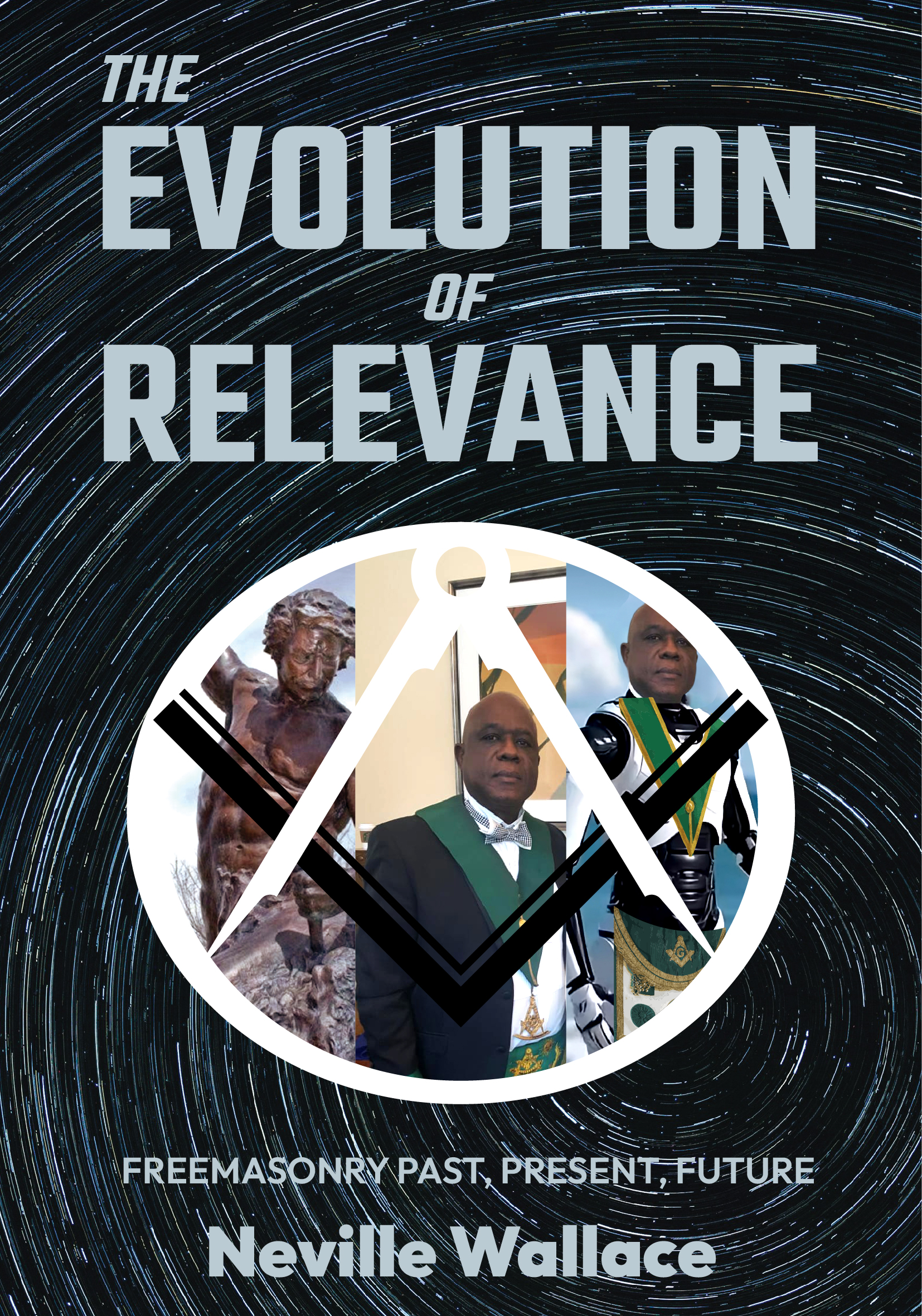
Cover of The Evolution of Relevance

The Evolution of Relevance

by Neville Wallace

Worshipful Brother Neville Wallace travels back in time seven hundred years to explore the roots of Freemasonry and its relevance in today’s contemporary society. Interweaving its origins with incredible illustrations, Evolution of Relevance tells the story of the origins of Freemasonry and helps us better understand its evolution, from Operative Freemasonry to Speculative Freemasonry to modern 21st-century Freemasonry Worshipful Brother Neville Wallace bring our forefathers to life with a beautiful, accurate reconstructions that visually trace each step in our evolutionary history. Combined with clear prose, this comprehensive book provides a rich history of each stage of Freemasons evolution, from the guilds of stonemasons and cathedral builders of the Middle Ages. With the decline of cathedral building, some lodges of operative (working) masons began to accept honorary members to bolster their declining membership. From a few of these lodges developed modern symbolic or speculative Freemasonry, which particularly in the 17th and 18th centuries adopted the rites and trappings of ancient religious orders and of chivalric brotherhoods. Freemasonry, a centuries-old fraternity with humble beginnings in the medieval stonemasons’ guilds of Europe, has since blossomed into a worldwide organization with a diverse range of regional practices. At its core, Freemasonry seeks to promote brotherhood and self-improvement, using allegorical rituals and symbolism to impart moral and spiritual lessons. This book will explore the fascinating journey of Freemasonry as it has evolved and adapted to different cultures and traditions around the world. The importance of understanding regional variations cannot be understated. As Freemasonry spread to far-flung corners of the globe, it encountered a myriad of local customs, beliefs, and historical contexts, each of which left an indelible mark on the fraternity. By examining these regional variations, we can not only appreciate the rich tapestry of Freemasonry’s history but also recognize the unique cultural influences that have shaped its development. This exploration of regional variations will take you on a captivating journey through the world of Freemasonry, from the British Isles to the Americas, continental Europe, Africa, Asia, and Oceania. Along the way, we will delve into the historical and cultural influences that have given rise to each region’s distinct Masonic practices and traditions, providing a comprehensive and engaging look at the evolution of this intriguing organization. Freemasonry has, almost from its inception, encountered considerable opposition from organized religion, especially from the Roman Catholic Church, and from various states. Freemasonry is not a Christian institution, though it has often been mistaken for such. Freemasonry contains many of the elements of a religion; its teachings enjoin morality, charity, and obedience to the law of the land. In most traditions, the applicant for admission is required to be an adult male, and all applicants must also believe in the existence of a Supreme Being and in the immortality of the soul. In practice, some lodges have been charged with prejudice against Jews, Catholics, and nonwhites. Generally, Freemasonry in Latin countries has attracted those who question religious dogma or who oppose the clergy whereas in the Anglo-Saxon countries the membership is drawn largely from among white Protestants. The modern French tradition, founded in the 19th century and known as Co-Freemasonry or Le Droit Humain, admits both women and men. In most lodges in most countries, Freemasons are divided into three major degrees—entered apprentice, fellow of the craft, and master mason. In many lodges there are numerous degrees—sometimes as many as a thousand—superimposed on the three major divisions; these organizational features are not uniform from country to country. In addition to the main bodies of Freemasonry derived from the British tradition, there are also a number of appendant groups that are primarily social or recreational in character, having no official standing in Freemasonry but drawing their membership from the higher degrees of the society. They are especially prevalent in the United States. Among those known for their charitable work are the Ancient Arabic Order of the Nobles of the Mystic Shrine (the “Shriners”). In Britain and certain other countries there are separate lodges restricted to women. In addition, female relatives of master masons may join the Order of the Eastern Star, which is open to both women and men; boys may join the Order of DeMolay or the Order of the Builders; and girls may join the Order of Job’s Daughters or the Order of the Rainbow. English, Scottish and Irish Masons are forbidden to affiliate with any of the recreational organizations or quasi-Masonic societies, on pain of suspension. This is essential reading for anyone interested in Freemasonry origin and relevance today includes: Freemasonry and the Middle Ages Freemasonry and Social Network Freemasonry and Colonialism Freemasonry and its Continental Variations Freemasonry and Social Change Freemasonry and the Church and Society Freemasonry and the Politics and Social Change Freemasonry and Social Mobility Freemasonry in the Contemporary Society The Evolution of Relevance is a comprehensive and perceptive look at the factors behind the rise Freemasonry. Worshipful Brother Neville Wallace examines the application of Operative Masons to the Speculative Masons, then establishes his historical social evolution to its relevance in today’s contemporary.

USD $60 - JMD $9,000 Read overview
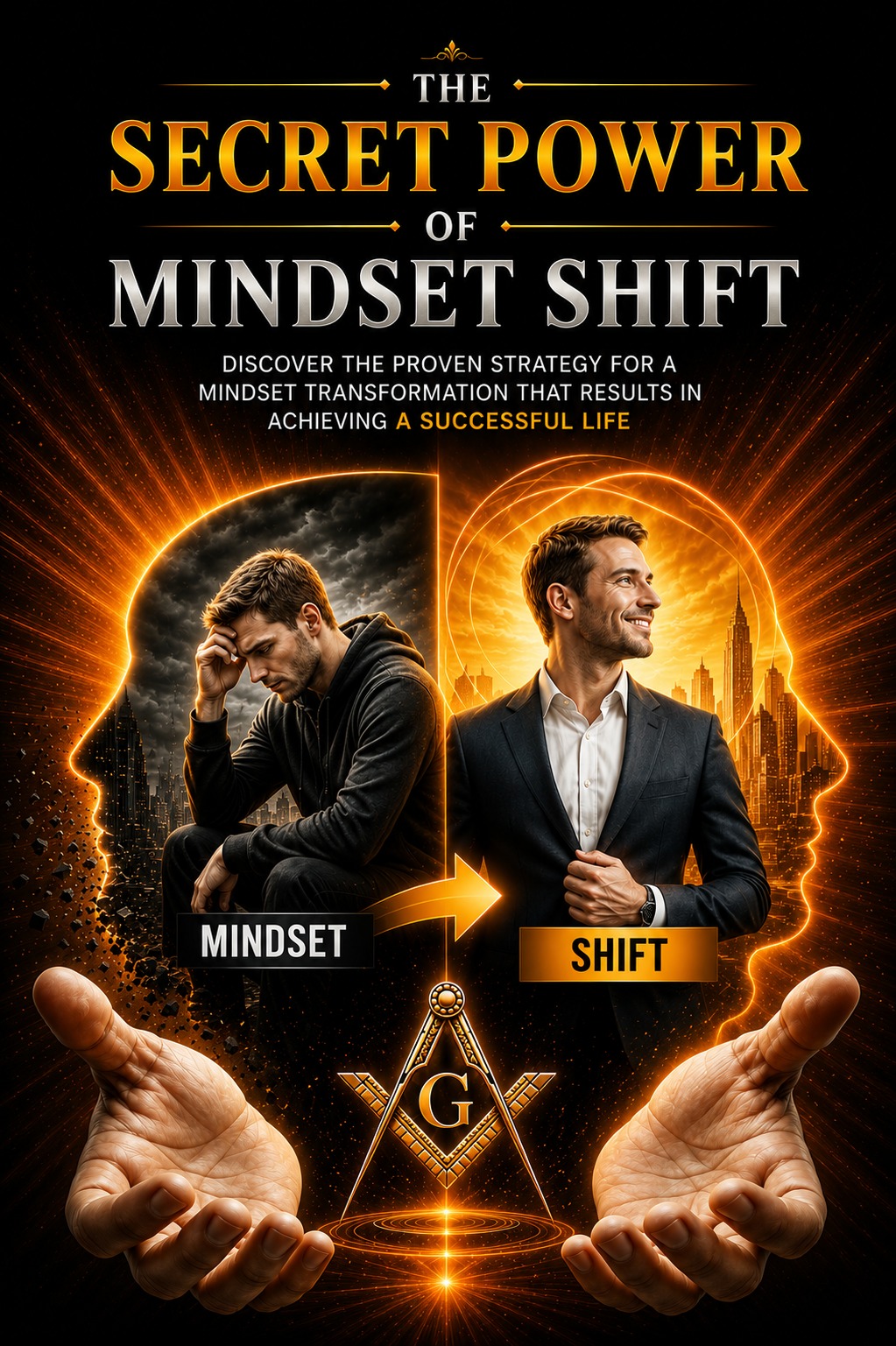
Cover of The Secret Power of Mindset Shift

The Secret Power of Mindset Shift

by Neville Wallace

Freemasonry is a structured system aimed at personal growth and transforming mindset, described as "making good men better. " It employs ancient rituals and symbols like the square and compasses to help members refine their character and control their emotions, functioning as a method of "mental reprogramming" for success. Freemasonry cultivates a specific mindset centered on self-mastery, ethical conduct, and "seeking more light" (knowledge). Rather than focusing on material gain, the Craft encourages an "ambition" that focuses on inner perfection—transforming the "rough ashlar" (one's unrefined self) into a "perfect ashlar" (a disciplined, virtuous person). Key aspects of Freemasonry include: Mindset Transformation: Members learn to change from impulsive to deliberate responses and to view the world as interconnected, using the metaphor of the "rough ashlar" to symbolize personal development. Personal Growth: Emphasis is placed on controlling emotions, adhering to virtues like Fortitude and Justice, and committing to lifelong learning. Mental Reprogramming: The rituals encourage self-reflection and the adoption of productive habits, with members keeping journals to apply insights. Tools for Transformation: Important symbols like the 24-Inch Gauge for time management, and the Square & Compasses for virtue and self-control support personal development. Freemasonry ultimately aims to help individuals become architects of their own lives. . Core Mindset Shifts in Freemasonry From Reaction to Observation: Masons are trained to pause, reflect, and master their passions rather than reacting impulsively to provocation or stress. This builds emotional intelligence, resilience, and calm. Systems Thinking: Masons are taught to view life as an interconnected system rather than a series of isolated events, allowing them to understand the ripple effects of their actions and find root causes rather than just symptoms. Internal Locus of Control: The focus is on mastering one’s own thoughts, actions, and reactions, while accepting what is outside their control with serenity. Purposeful Listening: Dialogue is intended for understanding and mutual growth, rather than winning arguments or demonstrating superior knowledge. Inward-focused Mindset Shift Freemasonry facilitates a profound, inward-focused mindset shift, transforming typical material ambitions into a dedicated pursuit of self-mastery, Self-Improvement, Service Over Recognition ethical leadership, and "more light". The core philosophy, "making good men better," shifts a member's focus from individual, competitive success to collective growth and building a "spiritual temple" within themselves. Key Principles Influencing Mindset Brotherly Love & Truth: Fostering a supportive, equitable environment that transcends societal, political, or religious differences. Charity & Relief: A commitment to philanthropy, both locally and globally, which is seen as a duty rather than an option. Lifelong Learning: A dedication to continuous intellectual and moral development. [1, 2, 3, 4, 5] This book offers practical tools and strategies to help you boost your motivation from within. It addresses feelings of being stuck, overwhelmed, or lacking follow-through, aiming to help you rediscover your drive and self-discipline. Key lessons include identifying procrastination versus true lack of motivation, understanding the psychology behind motivation, and recovering from burnout through mindfulness and self-care. It encourages breaking free from perfectionism and self-doubt, while promoting easy ways to develop self-discipline and maintain effective habits. The book provides various techniques to combat procrastination, such as the Pomodoro Technique and Reverse Procrastination. It is suitable for anyone wanting to stop procrastinating, rebuild self-confidence, and achieve success. This book combines relatable examples and effective psychological strategies to help transform your motivation and mindset. Understanding How to Build Motivation from Within This book provides practical strategies and psychological insights to help individuals boost their motivation and overcome obstacles in their lives. Key Points: Identifying Issues: Learn to differentiate between procrastination, lack of motivation, and burnout, along with strategies to address each. Motivation Psychology: Understand how your brain and emotions affect motivation and how to reframe your thinking to enhance it. Burnout Recovery: Explore mindfulness and self-care techniques to recharge from chronic stress. -** Breaking Negative Patterns:** Identify and overcome perfectionism, fear, and self-doubt that hinder progress. Building Habits: Develop self-discipline using micro-goals and routines, rather than relying solely on willpower. Actionable Tools: Gain access to methods like the Pomodoro Technique and habit-stacking to combat procrastination. In essence, the Masonic mindset aims to create "builders" who apply principles of integrity and moral courage to both their personal lives and the wider world, viewing their existence as a "building under construction". Freemasonry serves as a platform for self-discovery and character building, helping members become "the architect of their own becoming. " Whether you are an entrepreneur, a student, or a professional, this book illustrates how to think, act, and perform like the most successful individuals globally. If you are in search of a transformation in mindset, personal development, mental reprogramming, success psychology, or methods to think like high achievers, this book is the one that ultimately consolidates everything. What You Will Discover Within: The Power of Faith The Power of Meditation Journey to a True Mindset Ditch the Fixed Mindset and Go For Growth Mindset How to Maintain a Positive Mindset in the Face of Adversity Powerful Techniques to Change Your Negative Mindset Transformative - Practices for Mindset Shift Transformative – The Goals to Mindset Shift How to recognize and modify the subconscious beliefs that affect your outcomes. Simple daily mindset practices that improve focus, self-discipline, and emotional resilience. How to transform fear, doubt, and failure into clarity, confidence, and momentum. Reasons to Read This Book: Unlike motivational literature that loses its effectiveness after a few days, The Hidden Mindset Shift equips you with practical tools, scientifically validated techniques, and real-world strategies to guarantee that success is inevitable. You will discover how to create lasting change from your identity to your habits and unlock a version of yourself that cannot be impeded. Intended Audience: Entrepreneurs and leaders who aspire to develop a growth mindset and unwavering confidence. Students and professionals who are striving for focus, discipline, and consistency. Anyone who is tired of self-doubt, procrastination, or the cycle of repeatedly starting over. What Distinguishes This Book: This is not simply another "mindset shift" book. It acts as a transformative guide that merges the metaphysical, lifelong “seeking more light” with practical mindset strategies by treating the mind as a “rough ashlar” that must be polished through intentional self-mastery. It uses allegory, symbolism and ritual not just as cognitive tools to shift perception, build resilience, and improve character, transforming abstract moral philosophy into a structural approach to daily life. Each page provides you with proven methods to reprogram your thoughts, elevate your identity, and establish steadfast success habits one shift at a time. Freemasonry and the Secret Power of Mindset Shift goes beyond superficial positivity, providing you with practical tools, strategies, and tactics that you can begin to implement immediately. By leveraging the fundamental principles of Freemasonry and innovative research, this work illuminates how you can apply these core tenets to realize your most significant aspirations. More than merely a book, Freemasonry and the Secret Power of Mindset Shift acts as a guide that demonstrates how to effectively synchronize your thoughts, emotions, and actions to achieve whatever you wish to become, possess, or accomplish. As you explore the pages of this captivating book, you will not only uncover the secrets of highly successful Freemasons but also comprehend the essential principles crucial for genuine manifestation. By deepening your understanding of the relationship between your mindset shift and the core principles, you will gain the capability to shape your reality more effectively and rapidly than ever before. A book of extraordinary depth, Freemasonry and the Secret Power of Mindset Shift also prepares you to confront the challenges encountered by anyone committed to truly transformative mindset shift goals. This book provides you with actionable strategies to overcome obstacles and effortlessly transform setbacks into stepping stones toward your aims. Take advantage of the chance to uncover what many yearn for but often fail to achieve. Obtain the techniques necessary to realize your most cherished goals. Freemasonry and the Secret Power of Mindset Shift is essential reading for students, entrepreneurs, executives, artists, or anyone determined to attain remarkable success... in any domain. The book is also particularly suited for those who feel unmotivated and are in search of enduring strategies to achieve success and sustain authentic motivation. Your Transformation Begins Now If you are ready to retrain your brain, enhance your mindset, and become the individual you aspire to be. Order your copy of Freemasonry and the Secret Power of Mindset Shift today.

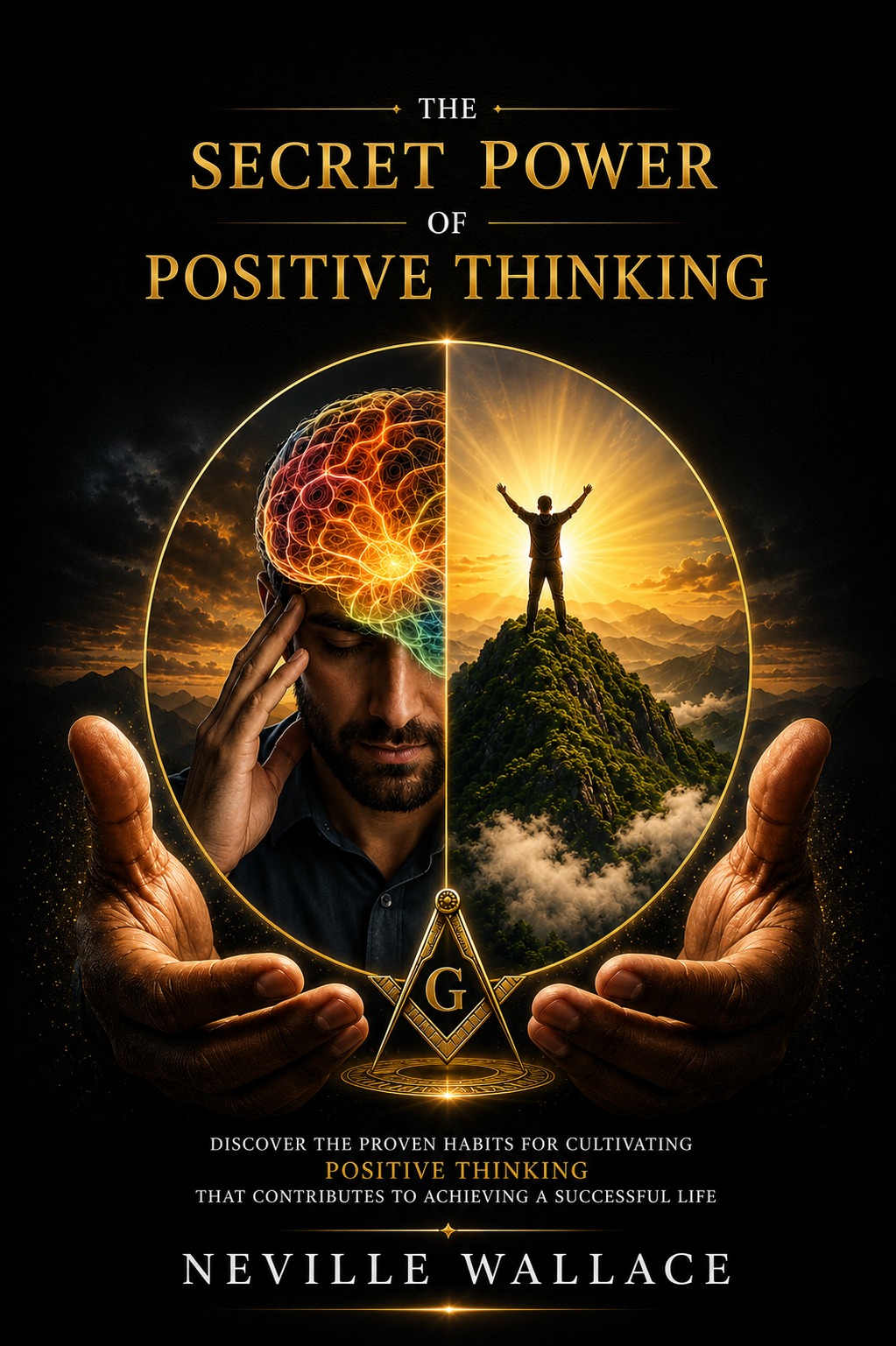
Cover of The Secret Power of Positive Thinking

The Secret Power of Positive Thinking

by Neville Wallace

Freemasonry promotes a philosophy of self-improvement and positive thinking, encouraging members to replace negative thoughts with constructive, hopeful perspectives to "see" a better reality. This approach is often described as "Positive Imaging"—a technique linked to personal development, resilience, and maintaining a hopeful outlook, as highlighted by figures like Norman Vincent Peale. Key Aspects of Positive Thinking in Freemasonry: Positive Imaging: Emphasizing visualizing success and vitality rather than focusing on decay or misfortune. Brotherly Love & Mindset: The fraternity emphasizes "spreading the cement of brotherly love," which fosters a positive, collaborative environment (noble emulation). Self-Improvement & Morality: The craft teaches members to study and manage their thoughts and actions, building character through introspection. Resilience and Faith: Facing challenges as opportunities for growth, aligning with a belief in God or a higher power. Positive Outlook on Others: Focusing on the strengths and virtues of others, encouraging harmony and a "noble emulation" of goodness. This mindset is not merely about ignoring faults but actively choosing to focus on potential, resilience, and constructive actions within one's life. This book discusses the importance of positivity in the journey of becoming a better version of you. It highlights how inner clarity, connection, patience, and insight gained through meditation can help Freemasons align their actions with their core values. The book also emphasizes the power of positivity, which can transform one's mindset and have a ripple effect on the Masonic community. The initial phase of the Freemason's journey is described as requiring strength, determination, resilience, and the willingness to learn from failures, with the support of fellow Brethren and Mentors. Meditation is presented as a valuable tool for Freemasons to cultivate these essential qualities. Meditation helps Freemasons by clearing mental clutter and providing a calm space for reflection. It strengthens their connection to their inner self, improves self-awareness, and aligns actions with their values. Meditation also promotes patience and insight, essential qualities for Freemasons. Positivity is vital in a Freemason's journey, influencing mindset and transforming experiences. It resonates with others and impacts the Masonic community, with gratitude being the key to fostering positivity. In the initial phase of their journey, Freemasons need strength, determination, resilience, and a willingness to learn from failures. They should seek help from mentors and friends and learn from challenges to grow stronger. In this book, which is "written with the sole objective of assisting Freemasons in attaining a joyful, fulfilling, and meaningful life," the book illustrates the effectiveness of the power of faith. By utilizing the practical techniques presented in this book, you can invigorate your life and provide yourself with the motivation necessary to pursue your dreams and aspirations. You will discover: Proven Strategies Ways for Self -Improvement Proven Attitudes that foster Positive Thinking Secret Power of Positive Thinking Have confidence in yourself and in all your endeavors Cultivate new strength and resolve Harness the ability to achieve your objectives Overcome the habit of worry and lead a more relaxed life Enha nce your personal and professional relationships Take charge of your circumstances Self -Kindness for Positive Thinking (Practice self -kindness) Positive Thinking cultivates Good Health and Longevity Self -Compassion cultivates Positive Thinking Freemasonry and the Secret Power of Positive Thinking go beyond superficial positivity, providing you with practical tools, strategies, and tactics that you can begin to implement immediately. By leveraging the fundamental principles of Freemasonry and innovative research, this work illuminates how you can apply these core tenets to realize your most significant aspirations. More than merely a book, Freemasonry and the Secret Power of Positive Thinking acts as a guide that demonstrates how to effectively synchronize your thoughts, emotions, and actions to achieve whatever you wish to become, possess, or accomplish. As you explore the pages of this captivating book, you will not only uncover the secrets of highly successful Freemasons but also comprehend the essential principles crucial for genuine manifestation. By deepening your understanding of the relationship between your Positive Thinking and the core principles, you will gain the capability to shape your reality more effectively and rapidly than ever before. A book of extraordinary depth, Freemasonry and the Secret Power of Positive Thinking also prepares you to confront the challenges encountered by anyone committed to truly transformative positive thinking goals. This book provides you with actionable strategies to overcome obstacles and effortlessly transform setbacks into stepping stones toward your aims. Freemasonry and the Secret Power of Positive Thinking is essential reading for students, entrepreneurs, executives, artists, or anyone determined to attain remarkable success... in any domain. It is also particularly suited for those who feel unmotivated and are in search of enduring strategies to achieve success and sustain authentic motivation. You’re Transformation Begins Now, if you are ready to retrain your brain, enhance your mindset, and become the individual you aspire to be. Take advantage of the chance to uncover what many yearn for but often fail to achieve. Obtain the techniques necessary to realize your most cherished goals. Order your copy of Freemasonry and the Secret Power of Positive Thinking today.

Cover of The Secret Power to Self-Improvement

The Secret Power to Self-Improvement

by Neville Wallace

Freemasonry and the Secret Power of Self-Improvement offer a practical framework for daily improvement. It provides strategies to form good habits, break bad ones, and understand that the problem lies in your system rather than in yourself. Self-improvement is essential for Freemasons, involving learning, reflection, and managing passions. Achieving balance and harmony through discipline is vital for personal growth. Key Points Self-Reflection and Discipline: Evaluating past actions helps in future improvements. Understanding mistakes and successes is crucial. Peer Review: Listening to counsel from others aids in discerning truths about oneself. Continuous Learning: There is always room for growth, whether in learning new Lodge roles or engaging with the community. Managing Passions: Recognizing and controlling emotional responses, including healthy expressions of passion, is important for personal balance. Etiquette and Manners: Practicing proper behavior in and out of the Lodge fosters better interactions and temperance. Moral Development: Embracing the four cardinal virtues—Fortitude, Prudence, Temperance, and Justice—leads to ethical growth and improved societal contributions. Helping Others: Assisting Brothers in their journeys also fosters one's own improvement. Truth and Self-Awareness: Acknowledging personal flaws and committing to improvement strengthens leadership qualities. Self-discipline, self-control, and a commitment to helping others are foundational in Freemasonry. By embodying these principles, members can grow and contribute positively to their communities, fulfilling the lesson of being “good men and true. " This book emphasizes that success comes from effective systems rather than just goals. Readers will learn how to make time for new habits, overcome motivation issues, design supportive environments, and recover when derailed, reshaping their approach to progress and success. "Freemasonry and the Secret Power of Self-Improvement" provides effective methods to improve daily habits by focusing on systems rather than goals. It suggests strategies for cultivating good habits and eliminating bad ones. Key Points • Change relies on your system, not just your willpower. • Good habits can be made inevitable, while bad habits can be avoided. • It offers practical advice for making time for habits, overcoming setbacks, and designing supportive environments. "Freemasonry and the Secret Power of Self-Improvement" helps reshape understanding of success and offers tools for anyone, from teams to individuals, to achieve their goals through better habits. It promotes a philosophy of self-improvement and positive thinking, encouraging members to replace negative thoughts with constructive, hopeful perspectives to "see" a better reality. This approach is often described as "Positive Imaging"—a technique linked to personal development, resilience, and maintaining a hopeful outlook, as highlighted by figures like Norman Vincent Peale. You will discover: Secret Power of Self -Improvement Proven Strategies Ways for Self -Improvement Self -Improvement leads to Living a Successful Life Cultivate new strength and resolve Harness the ability to achieve your objectives Enhance your personal and professional relationships Self -Improvement leads to Living a Successful Life Proven Habits for Self -Improvement Positive Thinking cultivates Good Health and Longevity Proven Framework for Self -Improvement Freemasonry and the Secret Power of Self-Improvement go beyond superficial positivity, providing you with practical tools, strategies, and tactics that you can begin to implement immediately. By leveraging the fundamental principles of Freemasonry and innovative research, this work illuminates how you can apply these core tenets to realize your most significant aspirations. More than merely a book, Freemasonry and the Secret Power of Self-Improvement acts as a guide that demonstrates how to effectively synchronize your thoughts, emotions, and actions to achieve whatever you wish to become, possess, or accomplish. As you explore the pages of this captivating book, you will not only uncover the secrets of highly successful Freemasons but also comprehend the essential principles crucial for genuine manifestation. By deepening your understanding of the relationship between your Self-Improvement and the core principles, you will gain the capability to shape your reality more effectively and rapidly than ever before. A book of extraordinary depth, Freemasonry and the Secret Power of Self-Improvement also prepares you to confront the challenges encountered by anyone committed to truly transformative positive thinking goals. This book provides you with actionable strategies to overcome obstacles and effortlessly transform setbacks into stepping stones toward your aims. Freemasonry and the Secret Power of Self-Improvement is essential reading for students, entrepreneurs, executives, artists, or anyone determined to attain remarkable success... in any domain. It is also particularly suited for those who feel unmotivated and are in search of enduring strategies to achieve success and sustain authentic motivation. You’re Transformation Begins Now, if you are ready to retrain your brain, enhance your mindset, and become the individual you aspire to be. Take advantage of the chance to uncover what many yearn for but often fail to achieve. Obtain the techniques necessary to realize your most cherished goals. Order your copy of Freemasonry and the Secret Power of Self-Improvement today.

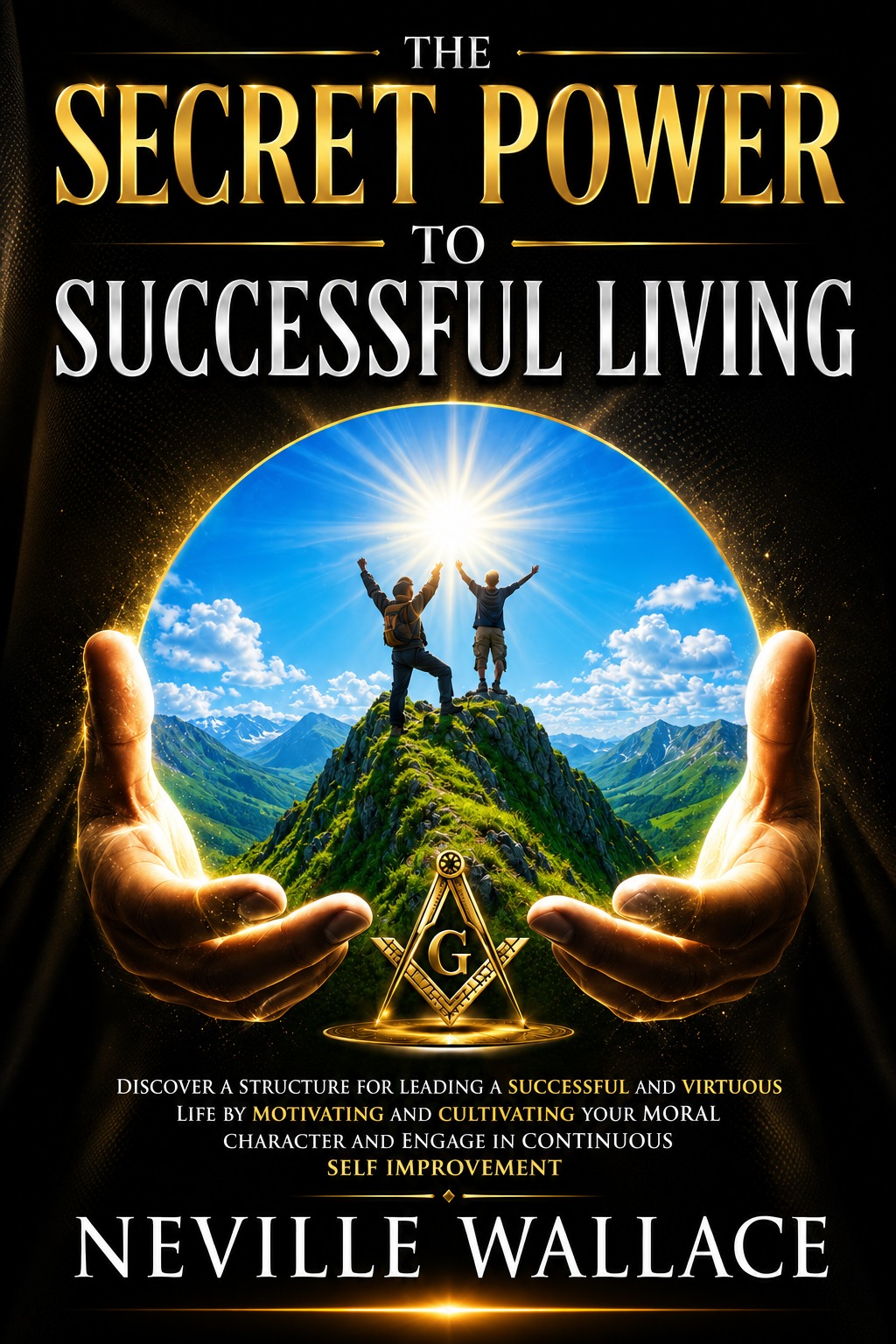
Cover of The Secret Power To Successful Living

The Secret Power To Successful Living

by Neville Wallace

In Freemasonry, "Successful Living" is a deeply psychological and moral idea that is different from worldly metrics of power, position, or fortune. It is described as the art of building one's spiritual and moral temple, employing symbolic tools and principles to create a life of integrity, purpose, and service. The following state of being helps to portray the final state of the Freemason's successful life: Self-Mastery (The Primary Work); Living in Balance (The 24-Inch Gauge); Service as Fulfillment (The Working Tools in Action); A legacy of character, not monuments; The Ultimate Masonic Success: Peaceful Demise We shall address each of them under the Chapters that follows. In a world full of definitions of success, such the constant quest of money, the visible rise in status, and the use of power, we need a quieter, deeper, and longer-lasting wisdom. We learn to develop things like portfolios, reputations, and empires. But even with all of our successes, we often wonder: What is the real basis for all of this? What does it mean to have a life that is not only stunning but also important, not just successful but also deep? This book encourages you to look into an old and very unusual way of living. It comes from the teachings of Freemasonry, which is not a secret group but a moral and speculative philosophy that has been around for hundreds of years. Here, "successful living" is stripped of its exterior decorations and shown to be a very psychological and structural task. It is the skill of constructing one's spiritual and moral sanctuary. In this paradigm, a man is the Master Builder of his own character, and his life's task is the careful, everyday building of a sacred interior space where he can be virtuous, have a purpose, and serve others. Freemasonry says that we are all born as Rough Ashlars, which means we are like stones that haven't been cut yet and are full of promise but don't have a shape. People often tell us to just clean the outside of this stone to make it look good to the public. Masonry, on the other hand, gives us a set of symbolic tools—the Square of morality, the Compasses of self-restraint, the Plumb Line of integrity, and the Level of equality—and teaches us how to use them for a much harder job: sculpting the whole stone over time. Success is not the praise one gets for a pretty exterior, but the private understanding that the stone is strong, square, and can hold weight as part of a larger structure. It is the change from chaos to order, from passion to principle, and from self-interest to brotherly love. This proposal for the inside of the building makes people feel very different from how they feel when they win in the world. Success is not about what you have, but about who you are and what you give. We shall look at the structure of this successful Masonic life by looking at its five main pillars: To live as a “True Freemason” is commonly understood as embodying and practicing the fraternity’s core moral and ethical principles: Brotherly Love, Relief, and Truth. Freemasonry is neither a religion nor a rigid blueprint for living. Rather, it is a moral framework expressed through allegory and symbols, designed to assist in the transformation of Good Men in becoming Better Men and there by living a successful life. A life guided by Masonic principles is shaped by attention to several essential areas: 1. Upholding Fundamental Virtues At the heart of Masonic living is the continual practice of virtues taught through its working tools and lectures. Integrity and Honor: Conduct yourself according to a firm moral standard. Be truthful in all dealings, ensuring that your word is reliable and your actions ethical, whether observed or unseen. Justice and Fairness: Treat all people with equality and impartiality. The Golden Rule— treating others as you would wish to be treated—stands as a cornerstone of Masonic teaching. Temperance and Prudence: Practice self-restraint in thought, desire, and behavior. Act with deliberation and wisdom rather than impulse. Fortitude and Moral Courage: Meet life’s trials with resilience and strength. Possess the courage to uphold what is right, even in the face of difficulty or opposition. 2. Personal Growth and Self-Improvement Freemasonry promotes a lifelong commitment to self-development, often described as “building the internal temple.” Pursuit of Knowledge: Commit to continuous learning—intellectual, moral, and spiritual. Freemasonry encourages the search for light, truth, and understanding. Reflection and Self-Examination: Use Masonic symbols and teachings as tools for introspection. Regularly evaluate your character, intentions, and conduct to identify opportunities for growth. Balance: Seek harmony between material responsibilities and moral, spiritual, and intellectual development. The square and compasses symbolize this essential equilibrium. 3. Community, Service, and Compassion A fulfilling Masonic life extends beyond personal improvement to service toward others and society. Brotherly Love: Foster meaningful relationships with family, friends, and fellow Masons, offering support, respect, and fellowship. Charity and Relief: Practice generosity not only through financial means, but through time, compassion, and active assistance to those in need. Many Masons contribute significantly to charitable efforts within and beyond the fraternity. Civic Responsibility: Be an engaged and conscientious member of your community and nation, working to promote harmony, goodwill, and unity. 4. Defining a Truly Successful Life In the Masonic tradition, success is not measured solely by wealth or status, but by the quality and impact of one’s life. It is a life that leaves a positive legacy. It is a life that uplifts and improves the world around it. It is a life marked by integrity, stro ng moral character, and respect earned through virtuous conduct. By faithfully applying these principles in daily life, one lives as a “True Freemason” and walks a path toward a deeply meaningful and enduring form of success. I sincerely hope that this book “Freemasonry and Living the Successful” will be a good stepping stone from which to advance your own personal knowledge and journey. Thus, to the Brethren reading this, I ask that this body of work should be a stepping stone serving to compliment your individual explorations and that you always remember your charge ever to continue your daily advancement in the knowledge of our beautiful craft.

Cover of The Timeless Philosophy of Freemasonry

The Timeless Philosophy of Freemasonry

by Neville Wallace

The Timeless Philosophy of Freemasonry is centered on making "good men better" through self-improvement, discipline, moral integrity, and service to humanity. This philosophy emphasizes continuous growth and inspires members to engage in acts of kindness and support for others. Its main ideas include Brotherly Love, Relief, and Truth, forming a moral framework that encourages unity and dialogue in a divided world. There are three Grand Principles in Masonic tradition. First, Brotherly Love promotes tolerance and respect for others, encouraging strong relationships within communities. Second, Relief emphasizes providing support to those in need through charity and volunteering. Third, Truth involves striving for honesty and aligning one’s actions with personal values, fostering a better understanding of oneself. Freemasonry also highlights four Cardinal Virtues to help face life’s challenges. Temperance calls for self-restraint in all areas of life. Fortitude encourages resilience against hardships with strength and courage. Prudence advocates for wise decision-making and careful planning, while Justice insists on treating everyone fairly to create a respectful atmosphere. Lifelong learning and reflection are key aspects of this philosophy. Members are encouraged to seek knowledge and engage in self-reflection to identify and improve their weaknesses over time. At its core, Freemasonry promotes moral development and wisdom through symbols like the square and compass. It emphasizes universal brotherhood, uniting individuals regardless of their backgrounds, and encourages a continual quest for light and knowledge. Additionally, Masonic philosophy underscores the importance of service to humanity. Members are called to provide relief and charity to those in distress and to play an active role in their communities, promoting peace and social cohesion. By fostering a culture of tolerance and understanding, Freemasonry aims to bridge divides and create a more harmonious world. Freemasonry is based on key ideas aimed at connecting different people. One main concept is Universal Brotherhood, which highlights that all humans share common origins, responsibilities, and destinies. The principle of "brotherly love" helps foster strong bonds across cultural and religious lines, resisting societal pressures. The idea of building the "Living Ashlar" uses tools and symbols from stonemasonry to symbolize moral growth, balance, and self-improvement, addressing the flaws of human nature. Another significant point is the importance of Restraint and Rational Discourse, promoting logical thinking and respect in discussions rather than divisive arguments. Masonic teachings embrace Unity Without Uniformity, showing that diversity can strengthen communities when based on shared moral values. These principles can also be applied broadly in society. For example, fostering Intercultural Dialogue through the Masonic Philosophical Society encourages informed discussions to reduce ignorance and division. Masonic lodges create neutral environments for individuals to share the values of peace, charity, and justice, regardless of their outside beliefs. Additionally, Freemasonry serves as a method for self-development; practicing virtues like humility and tolerance supports individuals in facing modern challenges while maintaining compassion. "The Timeless Philosophy of Freemasonry" redefines success and offers tools for both individuals and teams to reach their goals through better habits. It encourages self-improvement and positive thinking, helping members replace negative thoughts with hopeful ones to create a better reality. This method, known as "Positive Imaging," is associated with personal growth and resilience. You will discover: The Power of Faith Cultivate new strength and resolve Harness the ability to achieve your objectives Enhance your personal and professional relationships Positive Thinking cultivates Good Health and Longevity Proven Framework for Self-Improvement Secret Power of Self-Improvement Proven Strategies for Self-Improvement Self-Improvement leads to Living a Successful Life Self-Sabotage and Personal Growth System of Morality A Simple 21 Day Plan to Build Discipline, Order and Lasting Success 15 Habits to Organize Your Life Stay Strong During Hard Times The Power of Positive Habits 10 Habits To Improving Your Critical Thinking Skills Communication and Social Skills Control Your Thoughts How to Reprogram your Mindset for Success Consistency: Master Your Mind Under Pressure Learn To Let Go Leadership Mindset Know Thyself Focus on Solutions not Problems Lessons for Everyday Life Learn to Understand Yourself This book, The Timeless Philosophy of Freemasonry, offers deep insights and practical methods for overcoming obstacles and achieving personal goals. It is a valuable resource for anyone aiming for success and looking to boost motivation. Interested readers are encouraged to order their copy today to begin their transformation.